
If there’s one thing I’ve learned from winter travel, it’s that looking cute is optional but staying warm is non-negotiable. Whether you’re strolling through Christmas markets, wandering snowy old towns, or pretending you’re a rugged Arctic explorer when you’re actually just trying not to slip on an icy pavement, dressing properly makes the difference between magical winter vibes and… well, misery.
I’ve done enough cold trips to know exactly what works and what leaves you waddling like an overstuffed penguin; from surviving –20°C in Lapland in Finland, to skiing in –10°C in Livigno in Italy, to wandering countless Christmas markets (which I love, by the way) even when it’s hovering around –2°C.
So here’s everything I’ve learnt: my personal, tried-and-tested guide to staying warm without sacrificing comfort.
Why Layering Is Your Winter Superpower
If you remember one thing from this entire guide, let it be this: layering is life. The biggest mistake winter travellers make is assuming one thick coat is enough. The real secret to staying warm is layering. Layers give you control. Think of it as the remote control for your body temperature.
Too warm? Unzip. Cold breeze sneaking in? Tug that scarf up a bit. Found yourself in a café that seems to think heating is optional? Thank your merino base layer later. It’s like having a little toolkit built into your outfit, and once you get the hang of it, you’ll wonder how you ever travelled in winter without it.
The Base Layer: Where Warmth Begins
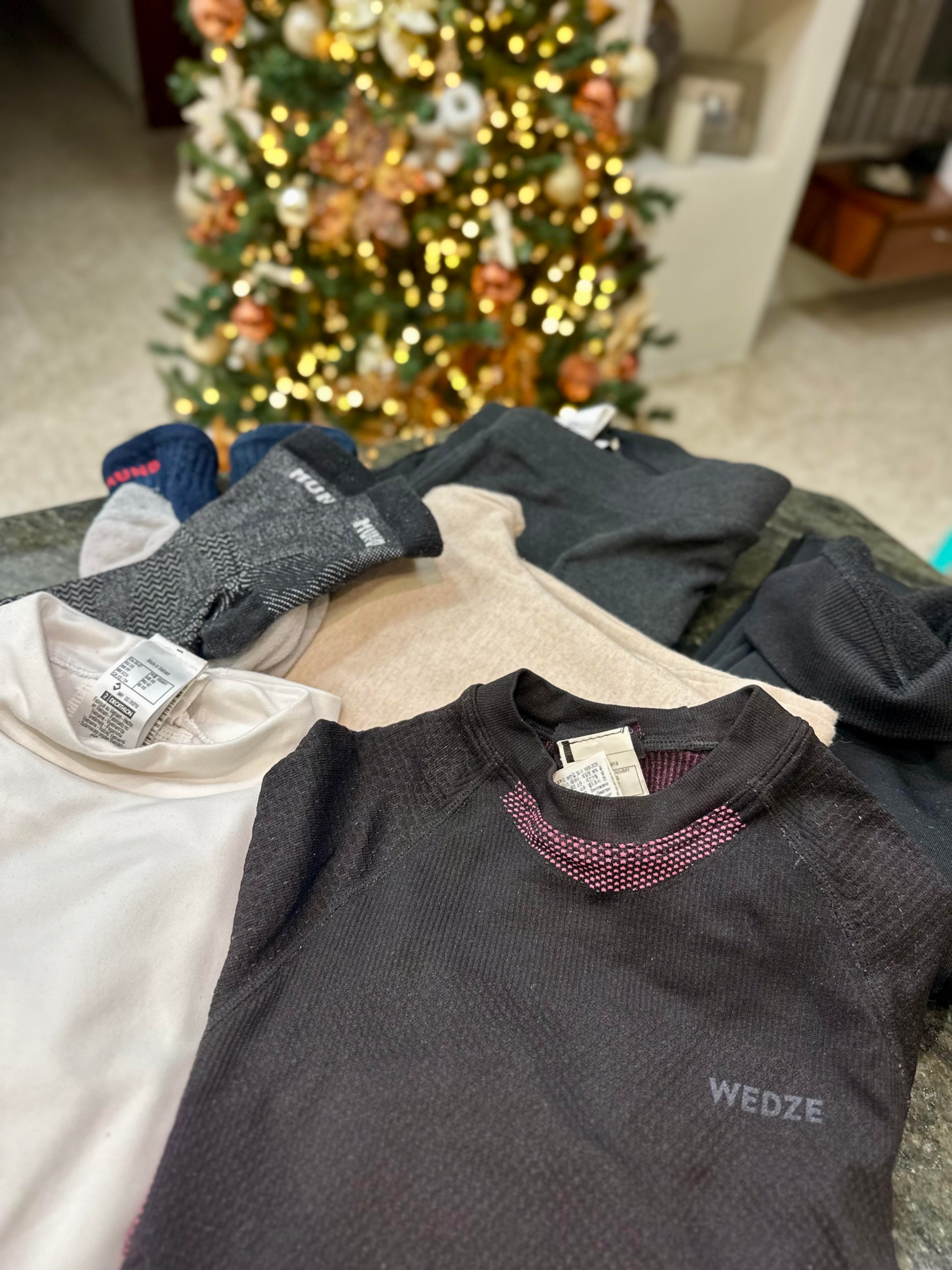
Start with a good base layer. This is the layer that sits right against your skin, and no, your pyjama top does not count. It should fit fairly tight, not suffocatingly tight, but definitely not loose, because a proper base layer traps heat and keeps all that lovely warmth where it belongs.
Here’s what really works:
- Merino wool: It’s warm, doesn’t itch, and you can wear it multiple times without smelling because the material is breathable (a real perk on longer trips).
- Synthetic fabrics: Polyester and polypropylene are also great budget-friendly options because they’re warm, quick-drying, and much cheaper than merino wool.
- Avoid cotton like the plague. Cotton holds onto moisture, which means once you get sweaty, you’ll stay cold and damp, a terrible combination
The Mid-Layer: Your Heat Trapper
This is where things get cosy. The mid-layer is what actually traps heat and keeps you feeling warm.
Options I love:
- Wool sweaters
- Fleece jackets
- Thin down jackets
I rotate depending on the temperature and how bulky I feel like being that day. If I’m heading somewhere really cold, I sometimes double up, because I am deeply committed to being warm and deeply uninterested in being fashionable..
The Outer Layer: Your Personal Shield Against the Weather
Your outer layer needs to do the heavy lifting. Think of it as your winter armour; preferably one that doesn’t weigh more than you do.
A good winter coat should be:
- Waterproof
- Windproof (so important; wind is truly the enemy of winter travel)
- Long enough to cover your bum; trust me, you will be grateful
- Hooded
Oh, and if you’re going somewhere snowy, pack waterproof trousers too. Walking around with wet legs is a special kind of torture.

Don’t Forget the Accessories
You’ll be outside more than you expect; walking between stalls, sightseeing, waiting for trams, so don’t underestimate the importance of good accessories.
Hats
A warm hat is non-negotiable.
Scarves or Neck Warmers
Scarves are great. Neck warmers are even better because they stay in place and don’t get whipped around by the wind.
Gloves or Mittens
Mittens keep your hands warmer, but if you like being able to use your fingers, waterproof gloves work too. The key word here is waterproof. Wool gloves are not good in the snow.
Warm Feet = Happy Human
I judge a winter trip by how often I think about my feet. When I’m wearing proper socks and boots, I don’t think about them at all. When I’m not… well, it’s all I think about.
Here’s what works for me:
- Thick wool or merino wool socks
- Insulated, waterproof boots with serious grip
Avoid trainers; they’re not warm, and they’ll soak through quickly.

Extra Items Worth Packing
A few optional extras can boost your winter comfort:
- Hand and foot warmers (brilliant for long days outside or watching northern lights)
- Sunglasses for snow glare
- A head torch, useful in low-light areas or for early sunsets in northern regions
- A swimsuit if your accommodation has a sauna, spa, or an indoor pool
My Personal Winter Dressing Tips
1. Comfort beats fashion every time
Comfort and warmth should take priority. I promise no one is judging your puffy snow jacket. Everyone else is wearing one too.
2. Windproof layers are your best friend
Wind chill can drop the “feels like” temperature significantly. A coat labeled as windproof or wind-resistant is worth the investment.
I’ve had my Superdry Everest Faux Fur Parka Coat for three years now, and I absolutely love it. I originally bought it for a trip to Lapland and it worked brilliantly — I layered up for the really cold weather, but for city breaks I hardly ever need extra layers unless the temperature drops below zero. It’s incredibly warm, has loads of pockets, zips right up to the neck, has a hood, and comes down past my hips.
3. Try your outfit before the trip
Walk around your hometown in your winter outfit before flying. If it’s uncomfortable for 20 minutes at home, it’ll be unbearable after hours in the cold.
City Breaks vs. Mountain Adventures: How I Dress Differently
What keeps me cosy while wandering a Christmas market in Germany is different from what I’d wear skiing in the Alps or chasing the northern lights in Lapland.
The good news? The base layer stays the same; close-fitting merino or synthetic tops and leggings work for city strolls and sub-zero adventures alike. It’s the mid-layer (and sometimes the outer layer) where I make the biggest adjustments depending on the trip.
For city-based trips, warmth meets style. I opt for a stylish knitwear jumper as my mid-layer. Chunky knits are my favourite—they trap heat, look great in photos, and still fit comfortably under a winter coat. For bottoms, thick trousers or lined jeans do the trick, and if it’s particularly cold, I layer thermal leggings or tights underneath. My outer layer is usually an insulated parka that hits below the hips, ideally with a hood, ideal for exploring markets, cafés, and festive streets. The goal is to stay warm while feeling put-together—not like I’ve just come back from a ski slope.
For mountain or Arctic adventures, the priorities shift slightly. The mid-layer becomes more functional, like a fleece or insulated sweater that traps heat efficiently for long hours outside. The outer layer may also be heavier or more technical; waterproof, windproof, and highly insulated; because when you’re skiing, snowmobiling, or trekking through deep snow, protection from the elements becomes the main goal. The base layer is unchanged, but the mid and outer layers are focused entirely on performance over style.

So really, whether I’m sipping mulled wine in a snowy market or chasing northern lights in –20°C, the principles are the same: a reliable base layer, a mid-layer that suits the trip’s style and activity level, and a proper outer layer to shield me from wind and snow. That little tweak between stylish versus technical mid-layers is all it takes to feel both warm and appropriate for the occasion.
Happy Travels! x
Travel is better when shared. Come be part of my journey on Instagram @journeywithme.mt, where I swap stories, tips, and travel inspiration with fellow explorers.
Disclaimer: All content and photos in this blog post are my own unless otherwise stated. Please do not copy, reproduce, or use any images or text without written permission.