
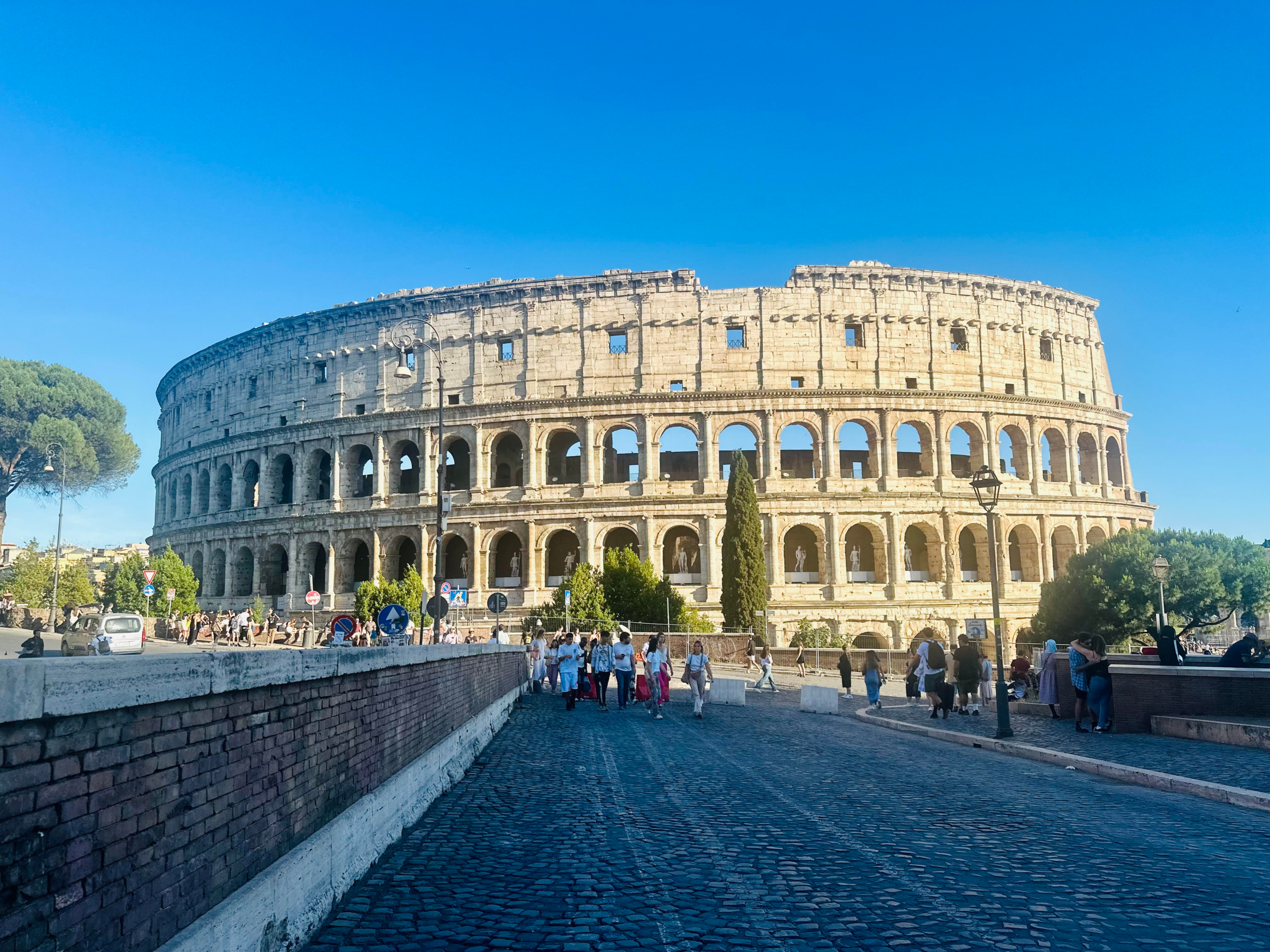
Rome is one of those cities that captures your heart the moment you step onto its cobbled streets. From awe-inspiring ancient ruins to cozy trattorias tucked away in charming neighbourhoods, the Eternal City blends history, culture, and food in a way that’s unforgettable. Whether it’s your first time in the city or you’re returning for another taste of la dolce vita, this Rome travel guide covers everything you need: how to get there, where to stay, what to eat, and which experiences are truly worth your time (and booking in advance!).
Affiliate Disclosure: This post contains affiliate links for travel services I use and love, such as experiences and hotel bookings. If you click and make a booking, I may receive a small commission which helps support this site. This does not affect the price you pay.
Getting to Rome: Airports & Transfers
Most international visitors land at Leonardo da Vinci – Fiumicino Airport (FCO), Rome’s largest airport. If you’re flying from Malta, KM Malta Airlines, Ryanair, and ITA Airways all offer several direct flights each day into Fiumicino.
✈️ Tip: Use Skyscanner to easily compare flight times and prices, then book the option that’s most convenient for your trip.
Option 1: Leonardo Express Train
The fastest and most convenient option for most travelers.
- The train station is just a 10-minute walk from Arrivals (follow the airport signs).
- Trains depart every 15 minutes and take around 32 minutes to reach Roma Termini station.
- Tickets can be purchased at vending machines inside the airport or online at Trenitalia.
- ✅ Important: Validate your ticket at the green machines on the platform before boarding—failure to do so can result in fines.
Option 2: Regional Trains
Perfect if you’re staying outside the main center, particularly in Trastevere.
- Trains run every 15–30 minutes and take roughly 50 minutes to reach their final stops.
- Tickets available at airport machines or online via Trenitalia.
- Don’t forget to validate your ticket.
Option 3: Bus Transfers
The cheapest option, great if you’re traveling with luggage.
- Buses take around 45 minutes to Roma Termini.
- Must be booked in advance online.
- Book here: Rome Airport Shuttle Bus
Luggage Storage in Rome
If you’re just passing through Rome or have a late flight, luggage storage can be a lifesaver.
- Conveniently located at Roma Termini Station.
- Affordable flat rate and easy to book.
- Advance booking is strongly recommended: Roma Termini Luggage Storage
Travelling Around Rome
One of the best parts of visiting Rome is how compact and walkable the city is. Most of the main attractions — the Pantheon, Trevi Fountain, Spanish Steps, Piazza Navona, and Colosseum — are all within walking distance of each other. Comfortable shoes are a must, as you’ll be walking on cobblestone streets and covering plenty of ground.
That said, when your legs need a break or you’re heading further afield, Rome has several transport options:
🚇 The Rome Metro
Rome’s metro system is small compared to other major cities but efficient for getting to key sites. There are 3 main lines:
- Line A: Connects Termini Station with landmarks like the Spanish Steps, Piazza del Popolo, and the Vatican Museums (stop: Ottaviano).
- Line B: Runs from Termini to the Colosseum (Colosseo stop) and out toward EUR (a modern business district).
- Line C: The newest line, still expanding, mainly serving suburban areas east of the center.
🚌 Buses & Trams
Rome has an extensive bus and tram network, though traffic can make them slow. They’re most useful to reach areas not covered by the metro (like Trastevere). Tickets are the same as metro tickets, and remember to validate them when you board.
🚌 Hop-On Hop-Off Sightseeing Bus
If you’re short on time or prefer not to navigate public transport, the Hop-On Hop-Off Bus is a convenient way to see the highlights without walking long distances.
- Buses run on a loop covering all the major sights including the Colosseum, Vatican City, Trevi Fountain, and Spanish Steps.
- Audio guides are included, available in multiple languages.
- It’s especially handy if you’re visiting in summer when walking can get tiring in the heat.
🚕 Taxis & Ride-Sharing
Taxis in Rome are plentiful but can be pricey compared to public transport.
- Official taxis are white with a “TAXI” sign on top and a license number printed on the doors. Always choose these over unlicensed cabs.
- Fares start at about €3–€4 and increase by distance, time of day, and luggage.
- A fixed fare of €55 applies for rides between Fiumicino Airport and the city center within the Aurelian Walls (only in official taxis).
- Uber does operate in Rome, but only as Uber Black, Uber Lux, and Uber Van, meaning they’re premium services, often more expensive than regular taxis. For budget-friendly alternatives, stick to official taxis or public transport.
Tip: Download the FreeNow app (popular across Europe) if you’d like to order taxis from your phone, it’s more reliable than hailing one on the street.
Where to Stay in Rome
Rome is a sprawling city, and your choice of neighbourhood will shape your trip. Here are the best areas:
- Pantheon / Piazza Navona / Campo de’ Fiori. Best for first-time visitors, central, walkable, and surrounded by iconic sights.
- Piazza di Spagna (Spanish Steps). A glamorous area with luxury hotels, high-end shopping, and close proximity to Villa Borghese gardens, perfect for families.
- Trastevere. A charming, bohemian neighbourhood with cobbled streets, local trattorias, and authentic Roman vibes. My favourite area to stay at as a repeat visitor.
- Vatican / Prati. Elegant and quieter, ideal for those prioritizing visits to St. Peter’s Basilica and the Vatican Museums.
⚠️ Avoid staying directly near Termini Station — although hotel prices in this area tend to be cheaper and the transport connections are convenient, it’s not the most pleasant part of Rome. The neighborhood can feel a bit gritty, especially at night, with more traffic, noise, and a higher pickpocket risk compared to other central districts.
While it’s fine to pass through for trains or the metro, most travelers find the atmosphere less charming than Rome’s historic or residential neighbourhoods. If you want value without compromising on safety or character, look instead at Trastevere, Prati, or areas around Campo de’ Fiori.

Must-See & Do in Rome for First Timers
For first-time visitors, these are the unmissable highlights of Rome’s historic center:
- Trevi Fountain – Toss a coin with your right hand over your left shoulder and make a wish. Tradition promises it brings both good luck and a return to the Eternal City.
- Spanish Steps – A lively spot with amazing views from the top.
- Villa Borghese – The city’s main park, ideal for walking, cycling, or simply unwinding after sightseeing.
- Piazza Navona – Stunning baroque square with fountains and street artists.
- Pantheon – One of Rome’s most breathtaking ancient structures.
- Colosseum & Roman Forum – A true step back into ancient history.
- Vatican Museums & Sistine Chapel – A world of art masterpieces. For tips, facts, and everything you need to know before visiting, check out my full Vatican blog post.

My favourite thing to do in Rome
- Sunset at Pincio Terrace in the Villa Borghese Gardens – As the sun sets over Rome, musicians play, people gather, and the city glows in golden light. I love coming here for the vibe!

⚠️Tips:
- 🎟️ Book Vatican Museums tickets early – Tickets often sell out up to two months in advance, so securing yours early is essential. If you can’t find availability on the official website (linked above), check Vatican Museums tickets here — there are usually slots available for just about €3 more. Be cautious: many third-party distributors sell tickets at double or even triple the price, but this link is the cheapest reliable option. The big advantage? You can pay closer to your travel date and still cancel for free up to 24 hours before your visit.
- 🏛️ Colosseum Guided Tours – Exploring the Colosseum on your own is fascinating, but having a local guide brings the history to life in a way no guidebook can. From gladiator tales to hidden details in the ruins, it’s worth every euro spent. Book a Colosseum Guided Tour here.
- ⏳ Short on time? Book Hop-On-Hop-Off tickets in advance to secure your seat, especially during peak season.
Experiences in Rome for Repeat Visitors
If you’ve already ticked off the classics, Rome has more layers waiting to be explored:
- The Keyhole at Piazza dei Cavalieri di Malta – Look through this tiny keyhole and you’ll be treated to a stunning, perfectly framed view of St. Peter’s Basilica rising above the Vatican, surrounded by the garden’s neatly manicured hedges. While you’re exploring Aventine Hill, don’t miss the Giardino degli Aranci, where sweeping views over the city make for a truly unforgettable moment.

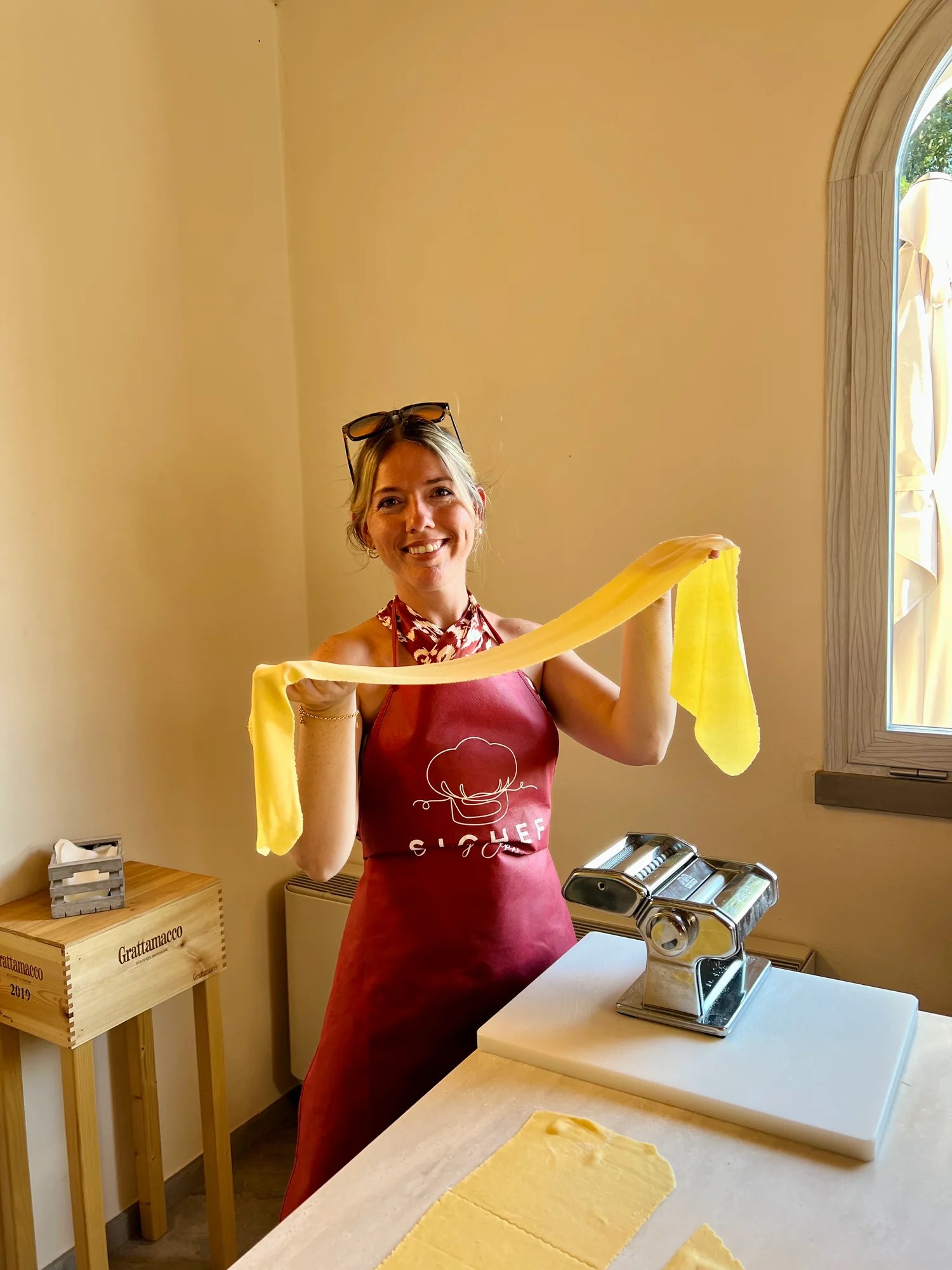
- Cooking Classes – Learn how to make pasta or pizza from scratch (cheaper here than in Florence or Venice). Browse cooking classes in the city center below.
Just a short walk from the Trevi Fountain:
Just a short walk from the Vatican:
Just a short walk from Piazza Navona:
- Food Tours – Walking or Vespa tours through Roman neighborhoods for the ultimate culinary immersion. Browse food tours below.
If you’re wondering where to eat in Rome beyond the tourist hotspots, head to Trastevere and Campo de’ Fiori. These neighborhoods are home to some of the best restaurants in Rome, offering authentic local flavors and lively atmospheres. The short detour rewards you with some of the most delicious food in the city, far from the usual tourist traps.
- Trastevere & Campo de Fiori street food walking tour
- Trastevere food tour with dinner
- Campo de Fiori street food walking tour
Other Fun Activities
- Hop on a classic Vespa for a 1.5-hour tour of Rome, complete with 20 professional photos to capture the adventure.
- Enjoy a 1.5-hour Vespa ride through Rome with sweet tastings along the way
- Bioparco di Roma at Villa Borghese
- 2-hour Gladiator school
Easy Day Trips from Rome
- Guided tour of Pompeii & Sorrento
- Tivoli (Villa d’Este & Hadrian’s VIlla)
- Popes’ lake, kayak tour with swimming & Roman pizza
- Papal Palace and Secret Garden of Castel Gandolfo
Eating in Rome: What & Where
Roman cuisine is simple, bold, and unforgettable. These are the dishes you must try:
- Carbonara – Creamy pasta made with egg yolks, Pecorino Romano, and guanciale (no cream ever!).
- Amatriciana – Tomato-based pasta with guanciale and Pecorino.
- Cacio e Pepe – Pecorino Romano and black pepper magic.
- Gricia – The “original carbonara” without eggs.
- Supplì – Fried rice balls (similar to Sicilian arancini).
- Maritozzo – Sweet brioche filled with whipped cream.
Tried & Tested Restaurants
- Salumeria Roscioli – Amatriciana heaven.
- Felice a Testaccio (Testaccio) – The most famous Cacio e Pepe.
- Tonnarello (Trastevere) – Known for Carbonara.
- Dar Poeta (Trastevere) – Excellent pizza.
- All’ Antico Vinaio – Legendary sandwiches.
- Regoli Pasticceria – Best Maritozzo.
- Supplì (Trastevere) – Best place for Supplì.

🍽️ Pro tips for dining in Rome:
- Avoid restaurants in main piazzas or with menus full of photos.
- Book at least 1 month in advance for top spots like Roscioli and Felice a Testaccio.
- Always check latest reviews on Google or Tripadvisor before reserving.
🌟 My Overall Top Tips:
- Visit the Trevi Fountain Early or Late. The Trevi Fountain is a must-see, but it’s one of the most crowded spots in Rome. For a quieter experience and great photos: Go early in the morning (before 7 AM) or late at night (after 12 AM).
- See the Colosseum at Night. While touring the Colosseum by day is iconic, don’t miss it after dark: The monument is beautifully lit, and the surrounding area is calmer.
- Eat Your Way to Trastevere. Trastevere is a lively, charming neighborhood filled with restaurants, bars, and street performers. It’s about a 30-minute walk from the Trevi Fountain, a scenic route along the Tiber River. Go in the early evening to catch golden hour, then stay for dinner and drinks. It’s one of the best ways to experience local nightlife.
- Head to Testaccio for Local Food. If you’re looking for authentic Roman cuisine without tourist prices, go to Testaccio: It’s less polished, more local, and rich in Roman culinary tradition. This is where many locals go for classic dishes like carbonara, amatriciana, and cacio e pepe.
- Bring Comfortable Walking Shoes. Rome is best explored on foot: cobblestone streets, hills, and ruins are part of the charm. But your feet will thank you for good walking shoes.
- Book Major Attractions in Advance.Skip-the-line tickets can save you hours.
- Use Rome’s Public Water Fountains. Bring a refillable bottle! Rome has over 1,500 “nasoni” (public fountains) with fresh, drinkable water, perfect during Summer.
- Dress Modestly for Churches. Many churches, including St. Peter’s Basilica, require shoulders and knees to be covered. Keep a scarf or shawl in your bag just in case.

I hope you enjoy Rome as much as I do and that you feel the magic of the Eternal City in every step you take.
Happy Travels! x
Travel is better when shared. Come be part of my journey on Instagram @journeywithme.mt, where I swap stories, tips, and travel inspiration with fellow explorers.
Disclaimer: All content and photos in this blog post are my own unless otherwise stated. Please do not copy, reproduce, or use any images or text without written permission.
Affiliate Disclosure: This post contains affiliate links for travel services I use and love, such as experiences and hotel bookings. If you click and make a booking, I may receive a small commission which helps support this site. This does not affect the price you pay.
Thank you for supporting my work — it helps me keep sharing free travel guides and tips!